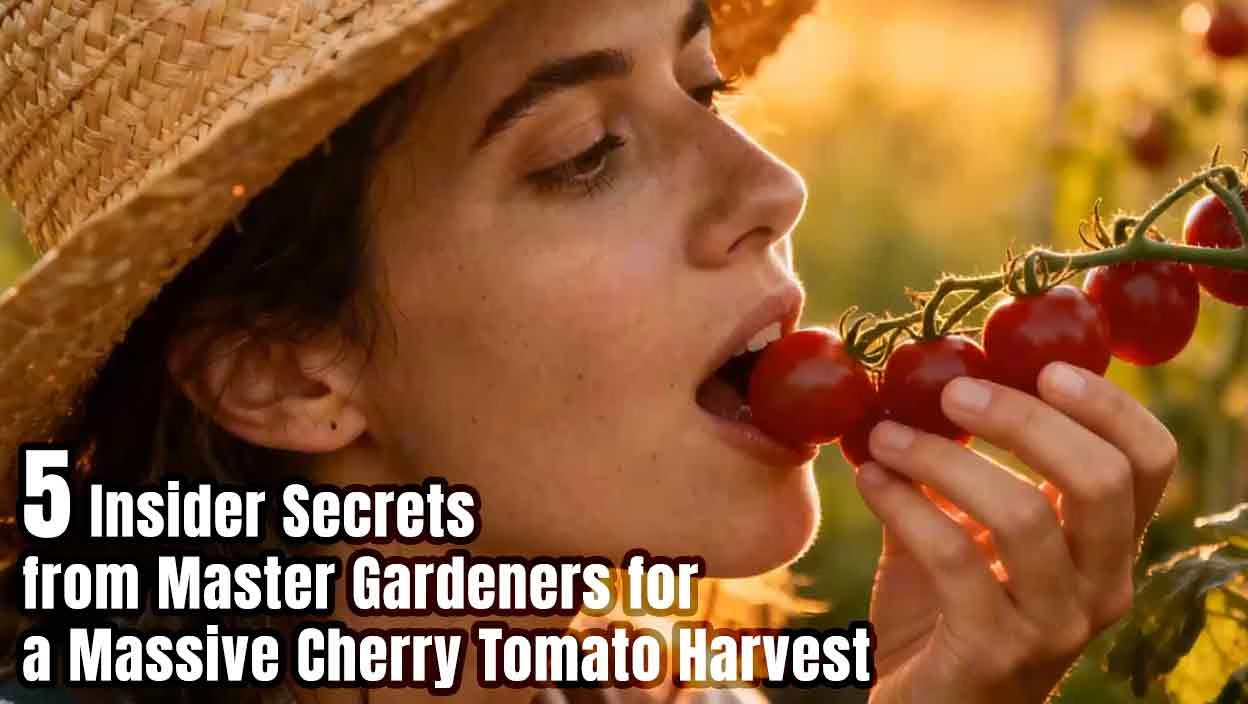
Growing cherry tomatoes is one of the most rewarding “quick wins” for any home gardener. These tiny flavor bombs are more resilient and prolific than their larger beefsteak cousins, but if you want a harvest that overflows your baskets, you need to move beyond basic watering.
Here is a refined, master-level guide to growing professional-grade cherry tomatoes at home.
1. The Foundation: Soil & Sunlight
You can’t cheat the basics. Cherry tomatoes are essentially solar-powered sugar factories.
- The 8-Hour Rule: While standard tomatoes need 6 hours, cherry tomatoes thrive with 8–10 hours of direct sun. This maximizes the Brix (sugar) content in the fruit.
- Warm Soil Only: Never transplant until the soil temperature is consistently at least 15°C (60°F). Cold soil stunts the root system permanently.
- The Deep Plant: Strip the bottom leaves and bury the stem deep—at least 2/3 of the plant. It will grow “adventitious roots” along the buried stem, creating a massive engine for nutrient uptake.
2. Advanced Hydration Tactics
Inconsistent watering is the #1 cause of split skins and Blossom End Rot.
- Deep, Infrequent Soaks: Instead of a light sprinkle every day, give them a heavy soak every 2–3 days. This encourages roots to dive deep where the soil stays cool.
- The “Mulch Blanket”: Use 2–3 inches of straw or shredded bark. This prevents soil-borne diseases from splashing onto the leaves and keeps moisture levels stable.
- Avoid the Foliage: Never water from above. Wet leaves are an open invitation for blight and fungus.
3. Pruning for Production
Many beginners let cherry tomatoes turn into a “jungle,” which leads to small fruit and disease.
- The “Sucker” Strategy: For Indeterminate varieties (vines that keep growing), pinch off the suckers—the small shoots growing in the “V” between the main stem and the branches.
- Airflow is Life: Remove all leaves from the bottom 12 inches of the plant once it reaches 3 feet tall. This “lollipopping” technique prevents soil pathogens from jumping onto the plant.
4. The Master’s Feeding Schedule
Don’t just throw “tomato food” at them and hope for the best. You need to time your nutrients:
| Growth Stage | Focus | Nutrient Balance |
| Transplant to Flower | Root & Leaf Growth | High Nitrogen (N) |
| First Fruit Set | Flower Production | High Phosphorus (P) |
| Ripening Stage | Flavor & Sugar | High Potassium (K) & Magnesium |
Pro Tip: Add a tablespoon of Epsom salts (Magnesium Sulfate) to the base of your plants once a month. It aids in chlorophyll production and helps the plant process phosphorus more efficiently.
5. Troubleshooting Like a Pro
- The “Leaf Roll”: If leaves curl upward but stay green, the plant is just stressed by heat. Don’t overreact; just provide some afternoon shade.
- Tap the Blooms: If you’re growing in a greenhouse or a still balcony, gently shake the flowering stems. This ensures the pollen falls within the flower, increasing your “fruit set” rate.
- The Stress Finish: One week before your final harvest, stop watering entirely. This “dry-stresses” the plant, forcing it to concentrate all remaining sugars into the fruit for an explosion of flavor.