Speed Up Chili Padi Flowering
Speed Up Chili Padi Flowering

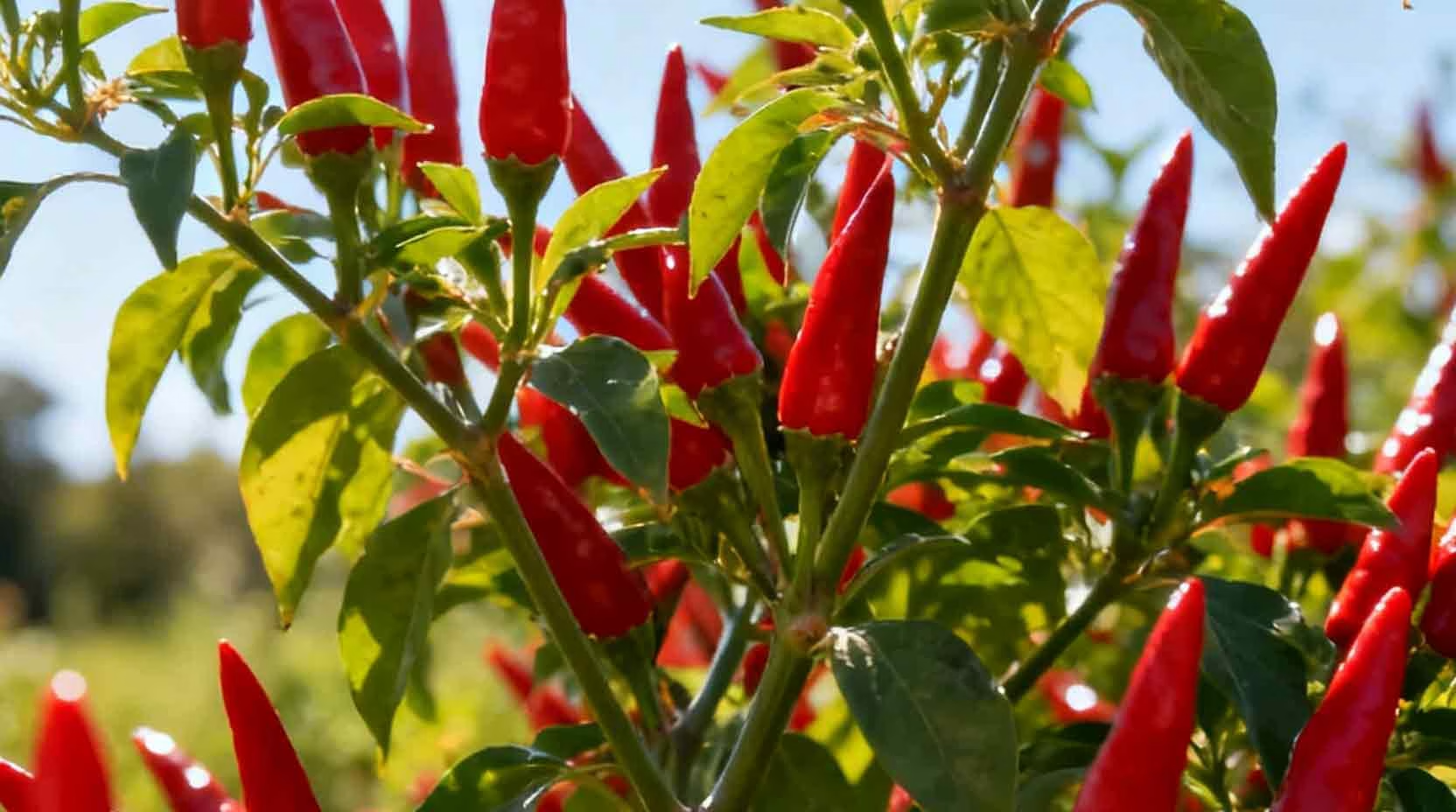
If you’re staring at a lush, green chili padi plant that refuses to bloom, it might be time to stop being so nice to it. While it sounds counterintuitive, chili padis often thrive on “strategic neglect.” Over-fertilizing with nitrogen promotes beautiful foliage but leaves you with zero spice. To flip the switch, transition to a phosphorus-rich “bloom” fertilizer and try the drought-stress method: let the soil dry out until the leaves just begin to wilt before watering. This minor environmental pressure triggers the plant’s survival instinct, forcing it to prioritize reproduction—which means more flowers and, eventually, a much hotter harvest.

Beyond just stressing the plant, architecture and pollination are the final pieces of the puzzle. Ensure your plant is getting at least six to eight hours of direct, unfiltered sunlight to fuel the energy-intensive flowering process. If your plant is growing tall and lanky, pinch off the top growth to encourage a “Y” shape branching pattern, effectively doubling your flowering sites. Finally, if you notice flowers appearing only to fall off prematurely, give the stems a gentle shake or a literal “buzz” with an electric toothbrush. This mimics the vibration of a bee’s wings, ensuring successful pollination and turning those tiny white buds into the fiery peppers you’ve been waiting for.
The Ultimate Guide to Growing Chilli Padi at Home

The Ultimate Guide to Growing Chilli Padi at Home

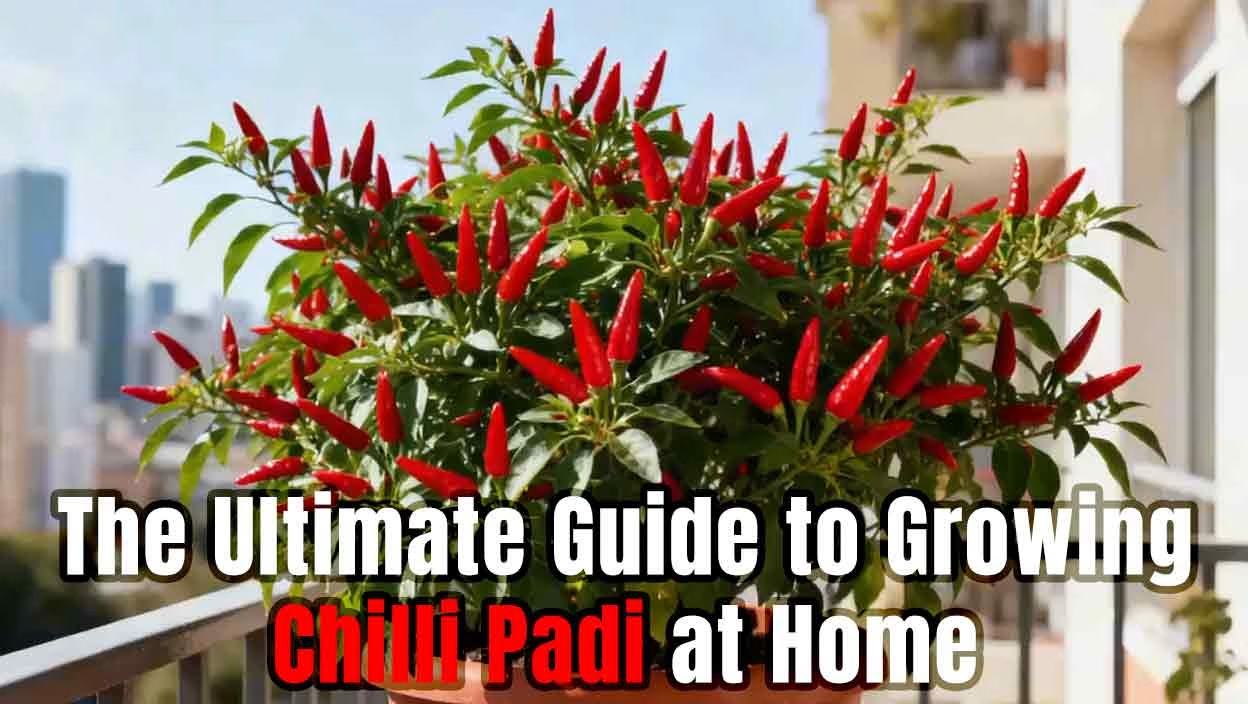
Cultivating the perfect Chili Padi at home requires a shift from passive gardening to strategic intervention, starting with the “Bushy Plant” secret. Most home growers allow their plants to grow tall and thin, resulting in a fragile stem and a meager harvest. By simply pinching off the top growing tip once the seedling reaches 20cm, you disrupt its vertical dominance and force the plant to develop a robust, lateral canopy. This structural change creates a denser network of branches, providing a significantly larger surface area for flowering and, ultimately, a much higher yield of fiery peppers from a single container.

Beyond structural pruning, the true “Master Gardener” edge lies in the deliberate management of environmental stress and soil chemistry. While these plants crave the intensity of six hours of direct tropical sunlight, their flavor profile is dictated by your watering can. By strategically reducing water once the chilis have fully formed, you induce a mild stress response that spikes capsaicin production, ensuring your home-grown harvest packs a superior punch compared to store-bought varieties. Combined with a calcium-rich potting mix to prevent blossom end rot, this technical approach ensures your balcony garden produces professional-grade chilis that are as healthy as they are hot.