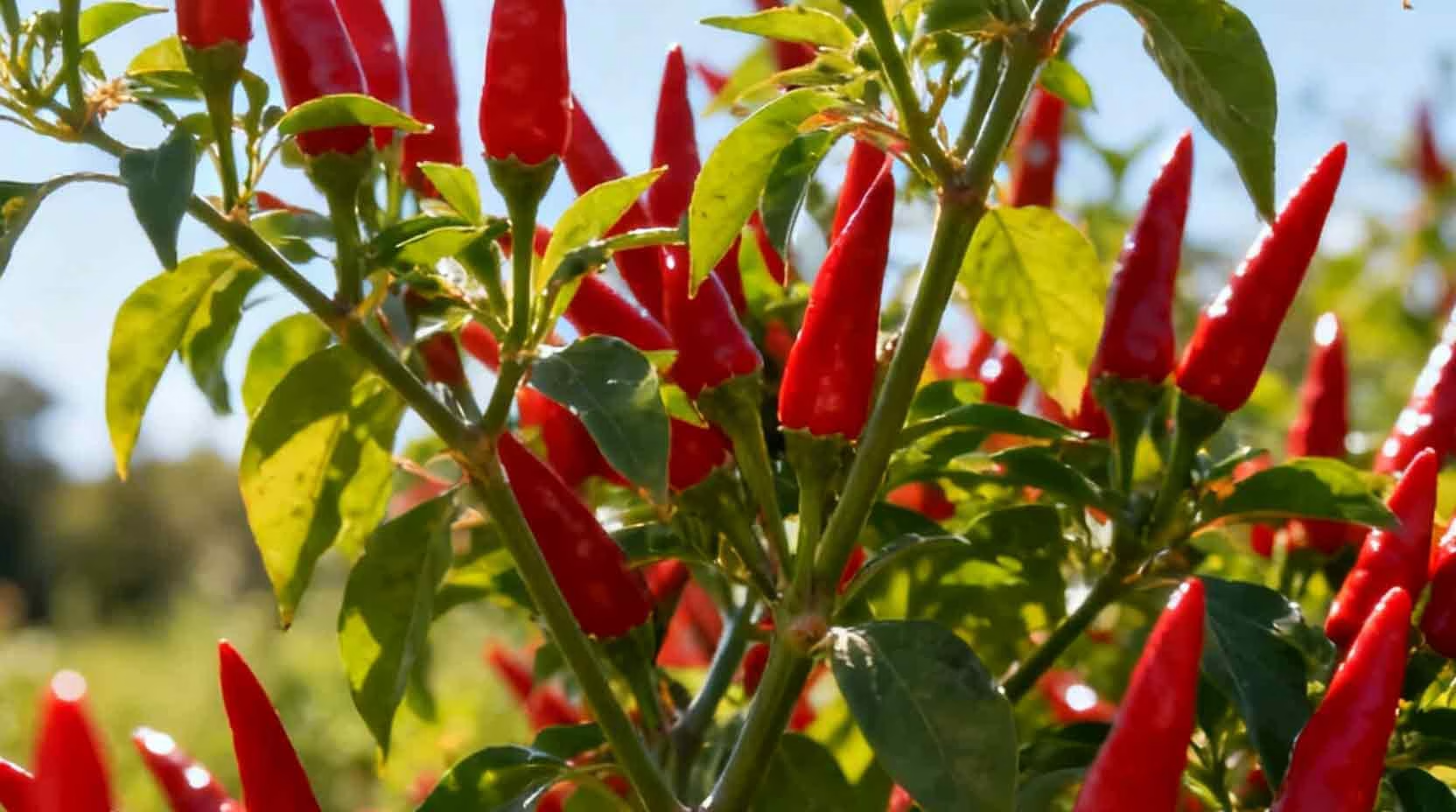
Getting your chili padi (bird’s eye chili) to move from “just leaves” to “lots of heat” requires a bit of strategic stress and the right nutrient balance. These plants can be a bit stubborn if they’re too comfortable.
Here is how to hit the gas pedal on flowering:
1. Adjust Your Nutrient Mix
If you are giving your plant high-nitrogen fertilizer, you’re telling it to grow more leaves, not flowers.
-
Switch to Phosphorus and Potassium: Look for a “Bloom” fertilizer or one with a higher middle and end number (the P and K in N-P-K).
-
Bone Meal: Adding a bit of bone meal to the soil provides a slow release of phosphorus, which is essential for bud development.
-
Epsom Salts: Magnesium helps with chlorophyll production and fruit setting. Dissolve 1 tablespoon in 4 liters of water and spray the leaves once a month.
2. Manage Light and Temperature
Chili padi plants are tropical sun-worshippers.
-
Maximize Sun: Ensure they get at least 6 to 8 hours of direct sunlight. If they are in the shade, they’ll put all their energy into stretching upward to find light rather than flowering.
-
Warmth is Key: They flower best when temperatures are consistently between 20°C and 30°C. If it’s too cold, the plant goes into “survival mode” and pauses reproduction.
3. “Strategic Neglect” (Watering)
Believe it or not, being a perfect gardener can slow down flowering.
-
The Drought Stress Trick: Let the soil dry out until the leaves just start to show the slightest sign of wilting before watering again.
-
Why it works: Slight water stress triggers a biological “panic” in the plant. It thinks it might die, so it rushes to produce flowers and seeds to ensure the next generation survives.
4. Pruning and Airflow
-
The “Y” Shape: Once your plant is about 15–20 cm tall, pinch off the very top growing tip. This forces the plant to branch out into a “Y” shape. More branches = more sites for flowers to grow.
-
Remove Bottom Leaves: Clear out the leaves near the base of the stem. This improves airflow and prevents energy from being wasted on old foliage that doesn’t get much sun anyway.
5. Manual Pollination (The “Bee” Method)
If your plant has flowers but they are falling off without turning into chilies (blossom drop), it’s likely a pollination issue.
-
Give it a Shake: Gently wiggle the main stem or flick the flowers with your finger to move pollen around.
-
Electric Toothbrush: A pro tip is to touch the back of an active electric toothbrush to the flower stems; the vibration mimics a bee’s wings and releases a cloud of pollen.
Quick Tip:
- Avoid over-watering during the budding stage. Soggy roots are the fastest way to make a chili padi drop its flowers before they even open!