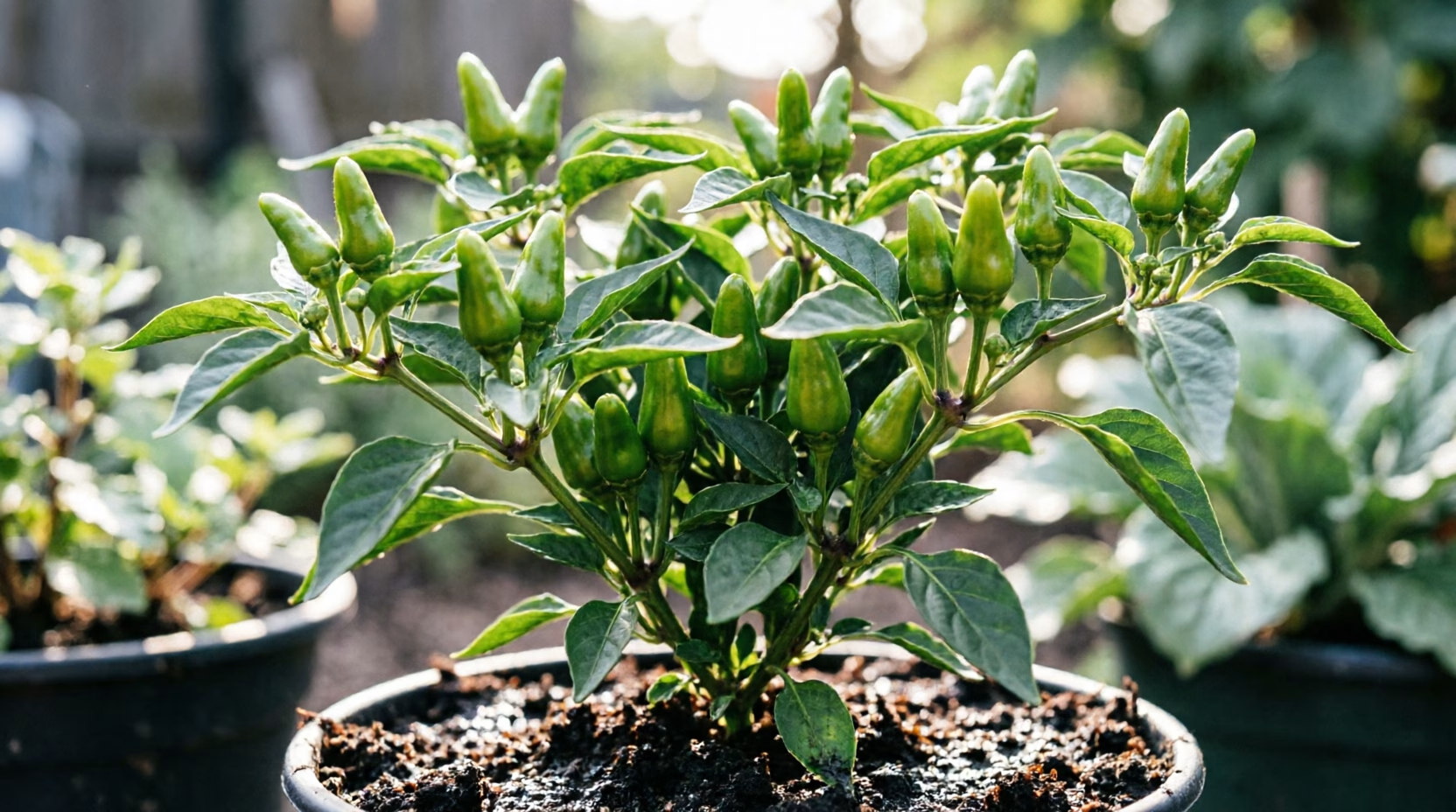
It can be frustrating when those chilies stay stubborn and green, especially when you’re looking forward to that signature heat. Typically, Chilli Padi (Bird’s Eye Chili) takes anywhere from 60 to 90 days after transplanting to reach full maturity and change color.
If your plants look healthy but the Chilli Padi are stuck in “green mode,” here are the most likely reasons:
1. The Waiting Game (Patience)
Chilies ripen from the inside out. Even if the fruit has reached its full size, the exterior pigments take time to shift. It is common for them to stay green for several weeks before suddenly turning red over the course of just a few days.
2. Temperature Extremes
Chilli Padi plants are tropical, but they can be picky about “goldilocks” temperatures:
- Too Hot: If temperatures consistently soar above 35°C, the plant enters a survival mode where it focuses on staying hydrated rather than ripening fruit.
- Too Cold: If temperatures drop below 15°C, the ripening process slows down significantly or stops altogether.
3. Nutrient Imbalance
If you are using a fertilizer very high in Nitrogen, the plant will prioritize growing lush, green leaves and stems. To encourage ripening and fruiting, you want a fertilizer higher in Potassium (K) and Phosphorus (P).
Tip: Look for a “fruit and flower” fertilizer or use a bit of bone meal/potash to give them a nudge.
4. Sunlight Requirements
Chilies are sun-worshippers. If the plant is in a shaded corner or getting less than 6 hours of direct sunlight, it won’t have the energy required to complete the ripening cycle. Ensure they aren’t being shaded by larger garden plants or structures.
5. Stress Factors
- Watering: Inconsistent watering (letting the soil bone-dry and then soaking it) stresses the plant. Aim for consistent moisture.
- Over-pruning: If you’ve taken off too many leaves recently, the plant may be struggling to photosynthesize enough sugars to ripen the fruit.
The Ripening Timeline
While the entire journey from planting a seed to harvesting a red chilli takes about 2 to 4 months, the color change itself happens in specific, observable stages:
1. The Green Stage (Growth)
Once the flower is pollinated and the fruit emerges, the chilli will grow rapidly to its full size. At this point, it is deep green and firm. While it is technically edible and carries heat now, it hasn’t developed the complex sugars or the vibrant red pigments characteristic of a mature Chilli Padi.
2. The “Wait” (2–4 Weeks)
This is the stage that tests most gardeners’ patience. Even though the chilli looks “finished” because it has stopped growing in size, the internal chemistry is working hard. The plant is building up capsaicin (the heat) and fructose. The skin remains green as it continues to photosynthesize energy for this final push.
3. The Turn (3–7 Days)
Once the internal ripening is complete, the color change happens remarkably fast.
-
The Break: You will notice the green starting to fade into a muddy brown, purple, or pale orange.
-
The Flush: Within a few days, the pigments shift entirely.
-
The Peak: The chilli turns a brilliant, glossy red. This is when the flavor is at its peak—balancing intense heat with a hint of sweetness.
Pro-Tip: When to Harvest?
- Can you eat them green? Yes, absolutely! You can harvest them while green if you need them for a recipe (like green sambal). They will still be spicy, but they won’t have the slight sweetness and intense “kick” that comes with the fully ripened red version.
- Placing them in a paper bag with a ripe banana or apple can speed up the color change due to the ethylene gas those fruits release.
- If you want the maximum “kick” and the longest shelf life, wait until the chilli is fully red and firm. If the skin starts to look slightly wrinkled while still on the plant, it’s over-ripening and should be picked immediately!
Warning:
- If you harvest them when they are just starting to turn orange, they will often finish ripening to red on your kitchen counter within a few days. However, they won’t get any hotter once picked!