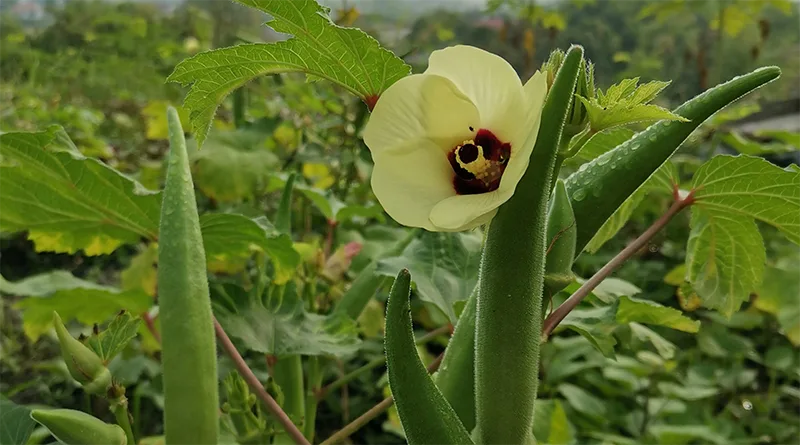
Lady fingers—or okra, depending on where you live—is easily one of the most misunderstood vegetables on the planet. People usually fall into one of two camps: they either absolutely love it, or they think eating it is akin to swallowing a spoonful of warm garden slime.
But what if the notorious “slime factor” isn’t actually the plant’s fault?
The truth is, standard, stringy, gooey okra is almost always the result of poor growing habits, late harvesting, or incorrect cooking techniques. If you provide the right environment and pick the pods at the perfect moment, okra transforms into a genuinely sweet, crisp, and gourmet garden treat.
Here is your complete guide to growing 100% slime-free lady fingers right in your backyard.
Step 1: Start with the Right Varieties
If you want sweet, tender pods, you need to begin with the right genetics. While standard varieties can turn woody and tough overnight, certain cultivars have been bred specifically for a sweeter, more forgiving bite.
When buying seed packets or young seedlings, look for these top-tier varieties:
- Emerald: A fantastic option for the slightly forgetful gardener. This variety stays tender and smooth even when the pods grow a little larger than average.
- Clemson Spineless: The undisputed classic choice. It delivers excellent, traditional flavor and comes with a massive bonus—no itchy, prickly spikes on the stems, making harvest time pain-free.
- Burgundy: If you want an aesthetic upgrade, this gorgeous deep-red variety adds an incredible pop of color to your garden beds. Even better, it boasts a uniquely sweet, slightly nutty flavor when cooked.
Step 2: Establish “Sweet & Crispy” Growing Conditions
Okra is a tropical plant by nature, meaning it absolutely thrives on heat. To get sweet pods, your primary goal is to keep the plant completely happy and unstressed. When an okra plant gets stressed by cold, poor soil, or lack of water, it retaliates by producing tough, bitter pods.
To optimize your yield, focus on these three environmental pillars:
Sunlight
Give your lady fingers the absolute sunniest spot in your garden. They require a minimum of 6 hours of direct sunlight daily. Without enough sun, the pods grow at a glacial pace, causing them to become stringy and tough before they even reach full size.
The Soil Trick
While okra loves nutrient-rich soil, there is a catch: do not overuse nitrogen. Excessive nitrogen will trick the plant into putting all its energy into growing a massive, beautiful, leafy bush, leaving you with very few actual pods. Instead, mix plenty of organic compost into the soil before planting to provide a steady, balanced diet.
Watering
Keep the soil consistently moist but never waterlogged. Inconsistent watering—allowing the soil to bone-dry and then flooding it—shocks the plant. This causes sudden growth spurts that ruin the texture, turning the interior of the pods woody.
Step 3: The Golden Rule of Harvesting (The Slime Killer)
This is where 90% of home gardeners go wrong, and it is the number one reason people end up with inedible, slimy okra. When it comes to harvesting lady fingers, size matters.
The Sweet Spot: 2 to 4 Inches Long (About the length of your index finger)
You want to harvest your pods when they are young and small. At this stage, the pods are incredibly tender, the internal seeds are still tiny, and the plant’s natural sugars are at their absolute peak.
If you let them grow into giant, foot-long monster pods, those natural sugars rapidly convert into starch, the outer texture turns to wood, and the interior transforms into a total slime bomb.
💡 Pro Tip: Pick your okra early and check the plants every two days—they grow incredibly fast! Always use sharp pruners or scissors to cleanly snip the pods off. Tearing or snapping the stems by hand damages the main plant and releases the internal sap prematurely.
Step 4: The Kitchen Secret to Zero Slime
You grew them perfectly and you picked them small—now you just need to ensure they stay crisp on the plate.
The clear, viscous substance inside okra is called mucilage. It’s highly hydrophilic, meaning it activates and expands the moment it hits water or low, slow heat. To defeat the mucilage and lock in a perfect crunch, follow these three kitchen rules:
- Keep it Bone Dry: Wash your okra whole before cutting it. Then, pat it down and ensure it is 100% dry before your knife ever touches the cutting board. Cutting wet okra triggers the slime immediately.
- High Heat is Your Friend: Avoid low-temperature simmering or crowding too many pieces into a single pan. High-heat searing, roasting, or air-frying flash-cooks the veggie, locking the moisture inside the pod walls before the mucilage has a chance to form.
- Counteract with Acid: Mucilage hates acid. Toss your okra with a splash of lemon juice, a dash of vinegar, or cook them alongside fresh tomatoes. The natural acidity completely neutralizes the slime-producing enzymes.
From Garden to Table
When you master these simple steps, you’ll be rewarded with an audible, satisfying crunch with every single bite. No slime, no woody texture—just sweet, fresh, gourmet flavor.
Give these techniques a try this season, and turn your backyard plot into a true gourmet paradise. Happy gardening!